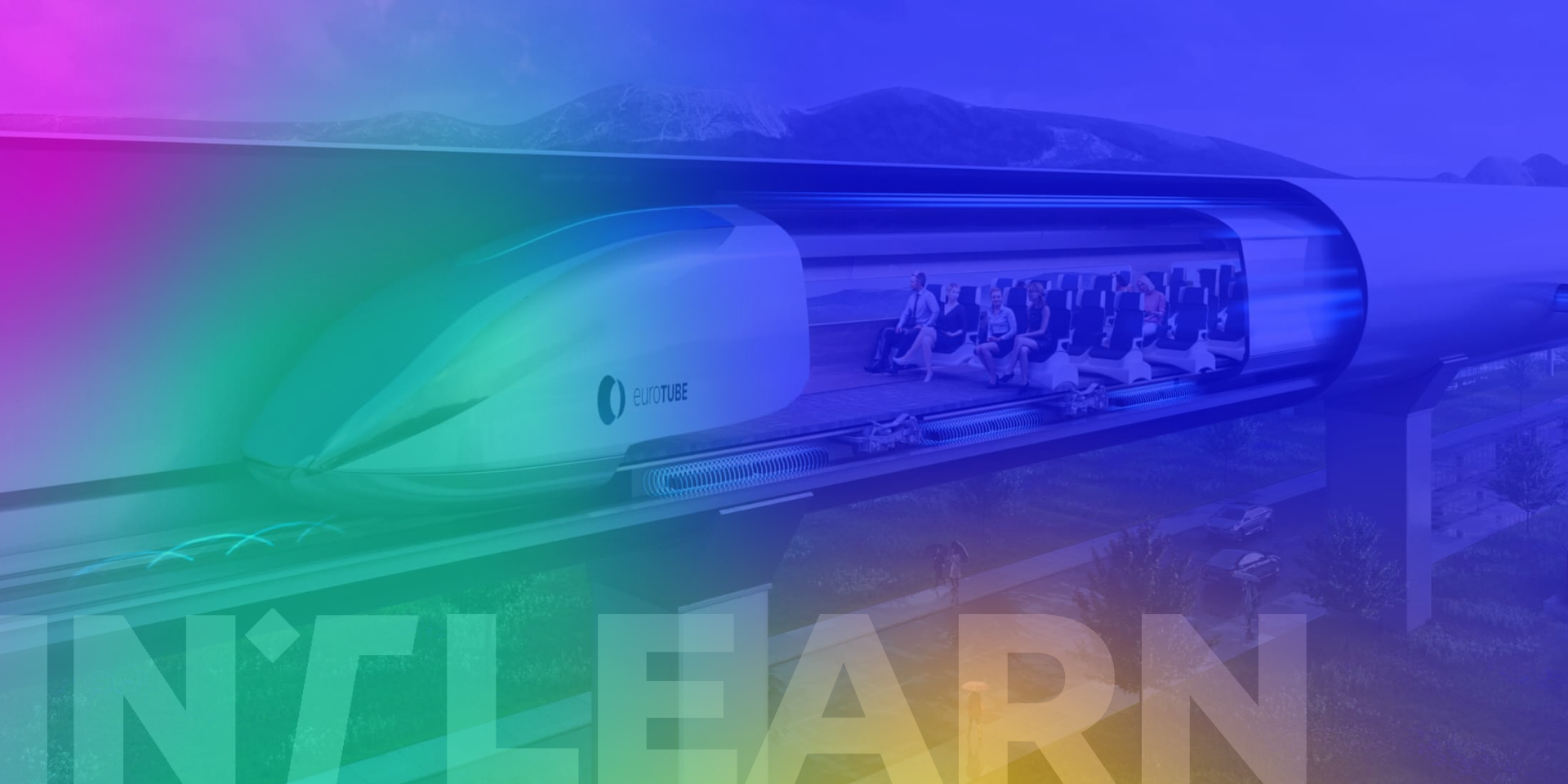


Electric transport is a technological ecosystem that replaces internal combustion engines with propulsion systems powered, partially or wholly, by electrical energy. This transition, defined by international agencies like the International Energy Agency (IEA) as the pillar of global decarbonization, saw electric vehicle sales exceed 14 million units in 2023, representing 18% of the global car market. The technology essentially involves not just the automobile, but integrates smart charging infrastructure, advanced battery chemistry, and energy grids.
Key Takeaways
- Definition: Vehicles propelled by electric motors (BEV, PHEV, FCEV).
- Mechanism: Conversion of chemical energy (battery) or hydrogen into kinetic energy with >80% efficiency.
- Impact: Reduction of life-cycle emissions (LCA) by up to 73% compared to traditional vehicles.
What is electric transport and how is it classified
According to the U.S. Department of Energy (DOE), electric transport is not a monolithic category but is divided into three main architectures, distinguished by the energy source and degree of electrification:
- BEV (Battery Electric Vehicle): Purely electric vehicles, devoid of a thermal engine. Energy is stored in high-capacity battery packs (typically lithium-ion) and recharged from the electric grid. They emit zero tailpipe emissions.
- PHEV (Plug-in Hybrid Electric Vehicle): “Plug-in” hybrids that combine an electric motor and a grid-rechargeable battery with an internal combustion engine (ICE). They can operate in purely electric mode for limited distances (usually 40-80 km).
- FCEV (Fuel Cell Electric Vehicle): Electric vehicles that do not use batteries for primary storage but generate electricity on board via hydrogen-fed fuel cells, emitting only water vapor.
Technical Note: The acronym HEV (Hybrid Electric Vehicle) indicates traditional hybrids that do not recharge via a plug; therefore, while part of electrification, they do not technically fall under the primary definition of plug-in “electric transport” vehicles (EV) according to IEA standards.
How electric propulsion works
Efficiency is the heart of the system. While a thermal engine has an average energy efficiency of 20-30% (the rest is lost as heat), an electric motor converts over 85% of electrical energy into mechanical movement.
The system relies on three critical components:
- Battery Pack (Energy Storage): Delivers direct current (DC). Its capacity, measured in kWh, determines range.
- Inverter: The brain of the system. It converts the battery’s direct current (DC) into the alternating current (AC) needed for the motor, regulating frequency and amplitude to control speed and torque.
- Electric Motor: Uses magnetic fields to generate rotation. It offers instant torque and acts as a generator during deceleration (regenerative braking), recovering energy.
For further technical details on energy sources, consult the official documentation from the IEA – Global EV Outlook.
The advantages of electric transport for businesses and individuals
The adoption of electric transport offers measurable benefits in both economic terms (Total Cost of Ownership – TCO) and environmental terms. Studies by the European Environment Agency confirm that an electric vehicle in Europe offsets battery production emissions after approximately 17,000 – 20,000 km of use, thereafter generating a net CO2 saving.
- Operational Efficiency: Lower maintenance costs due to the absence of hundreds of moving parts (no gearbox, oil filters, spark plugs).
- Emission Reduction: Drastic reduction of local (NOx, PM) and global (CO2) emissions, essential for corporate ESG strategies.
- Incentives and Taxation: Access to restricted traffic zones (ZTL) and tax deductions in many global markets.
If you are interested in understanding the underlying infrastructure, we suggest reading our IntLearn guide on Smart Grids.
Infrastructure and future challenges
The widespread diffusion of electric transport depends on the scalability of charging infrastructure. The market is shifting from slow domestic chargers (AC) towards Ultra-Fast stations (DC >150 kW) capable of restoring 80% of range in under 20 minutes. However, challenges remain: grid stability during peak demand and the sustainability of the critical mineral supply chain (lithium, cobalt, nickel).