

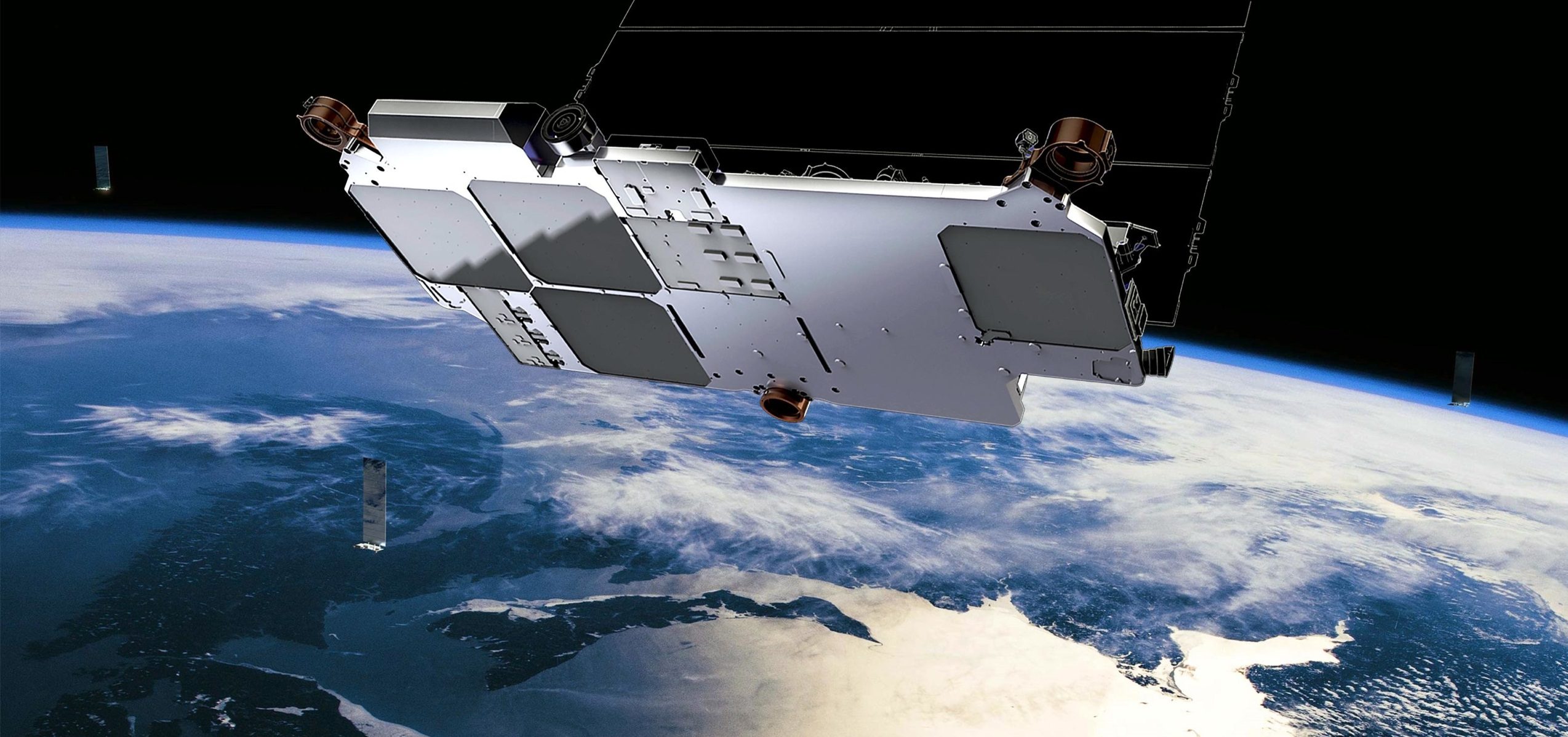
SpaceX space data centers represent the new frontier of orbital cloud infrastructure, as confirmed by recent documentation filed with the FCC. Elon Musk’s company has formally requested to modify the license for second-generation Starlink satellites to integrate advanced computing modules. This evolution would allow the processing of vast amounts of data directly in space, drastically reducing dependence on ground stations and cutting latency times for global services.
Key Takeaways
- SpaceX requested FCC approval to add “processing blades” to Starlink Gen2 satellites.
- The goal is to create a distributed computing network to manage data in orbit.
- The technology will utilize inter-satellite laser links for high-speed data transfer.
How SpaceX space data centers work
The integration of SpaceX space data centers will transform every single Starlink satellite into an active computing node. Instead of merely bouncing signals back to Earth, satellites will be able to run software applications and store data locally. This system relies on proven “laser link” technology, which allows satellites to communicate with each other in the vacuum of space at extremely high speeds.
Objectives of SpaceX space data centers
The objectives of SpaceX space data centers include supporting complex space missions and providing high-resiliency cloud computing services. According to technical filings, these processing modules will be designed to operate in the harsh environment of Low Earth Orbit (LEO). If approved, this move would position SpaceX in direct competition with terrestrial cloud giants, while offering universal coverage.
Read also: Crucial success for SpaceX: Starship’s tenth flight test completes all objectives