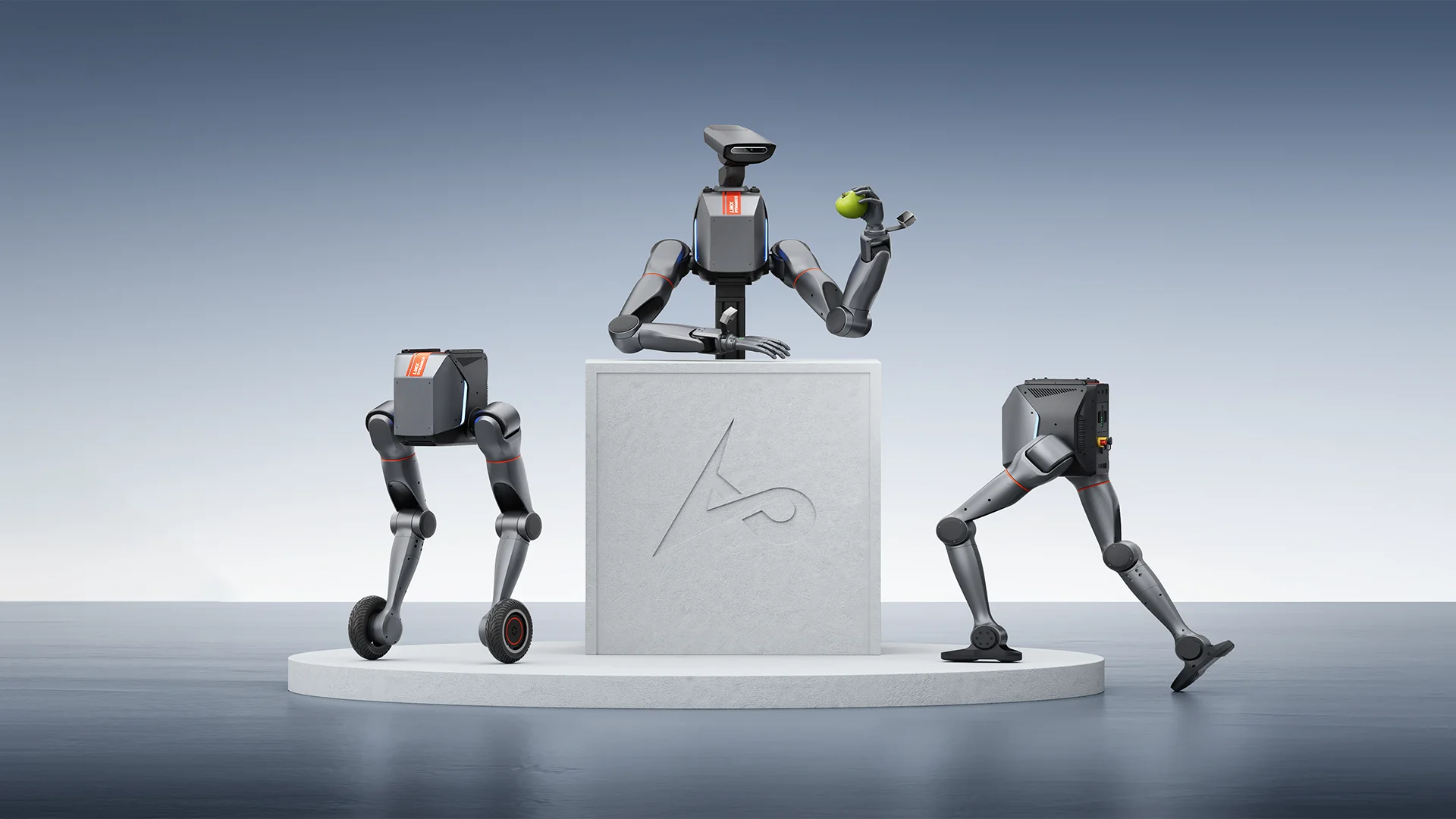

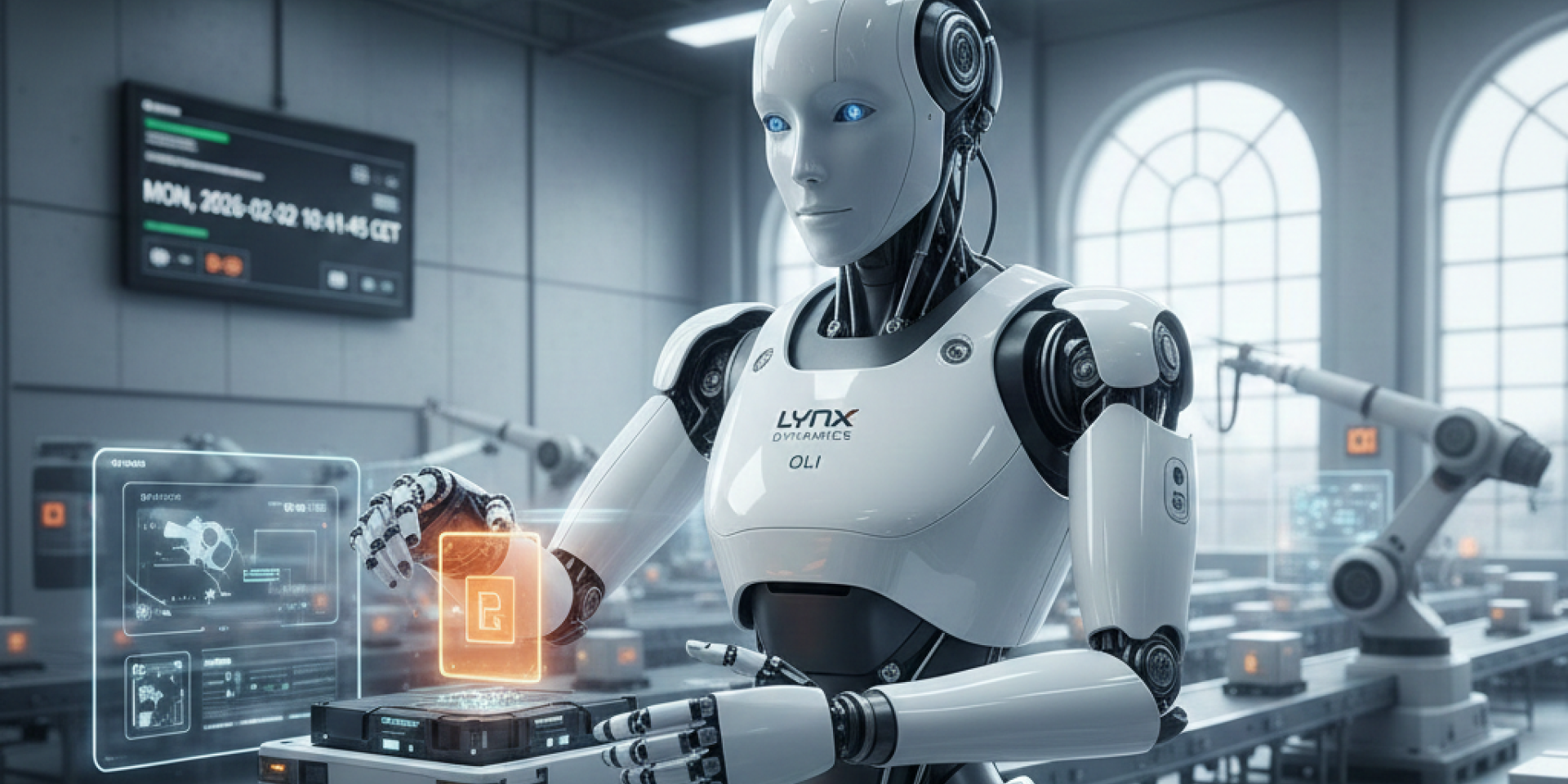
The Robot Lynx Dynamics Oli represents the first bipedal humanoid model specifically designed for mass production and immediate integration into industrial workflows. Unlike previous prototypes, this unit does not require on-site manual training, as it is pre-configured to operate in total autonomy thanks to an architecture based on end-to-end neural networks.
Key Takeaways
- Oli is the first Lynx Dynamics model intended for the large-scale consumer and industrial market.
- The robot guarantees 100% autonomous operation without human assistance.
- The hardware is optimized for low maintenance and an extended life cycle.
Technical specifications and operational versatility
The new Robot Lynx Dynamics Oli boasts a battery life that covers a full 8-hour work shift, with self-charging capabilities at dedicated stations. The bipedal structure has been lightened using aeronautical-grade aluminum alloys, allowing a walking speed of 5 km/h and a payload capacity in the robotic arms of up to 10 kg per limb. Thanks to the latest generation LiDAR sensors, Oli maps the surrounding environment in real-time, avoiding mobile obstacles and interacting safely with human personnel.
Technical features of the CL-1 model
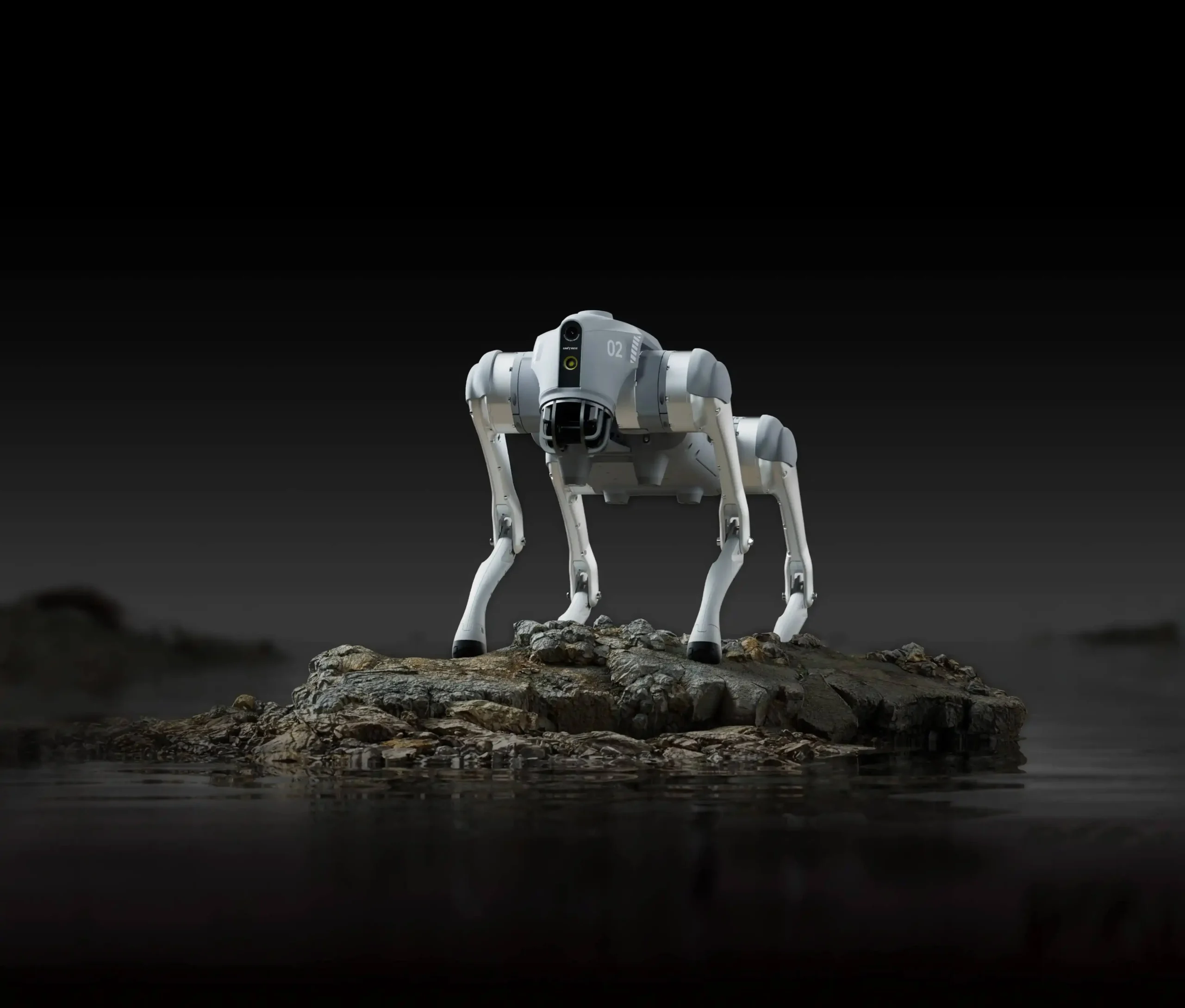
The technological heart of this innovation is represented by depth sensors and proprietary actuators that give the CL-1 model a fluid movement comparable to that of a human. Unlike wheeled robots, this unit can climb stairs and move over irregular surfaces, making it ideal for complex residential and industrial settings.
The impact of Oli on the global market
The introduction of the Robot Lynx Dynamics Oli marks the transition of humanoid robotics from the experimental to the commercial phase. Companies can now deploy fleets of automatons for internal logistics, surveillance, and technical assistance tasks with an investment that can be amortized in less than 24 months. This democratization of bipedal technology sets the stage for a new era of the hybrid workforce, where automation is no longer confined to tracks or fixed stations but moves freely within human-centric spaces. For more technical details, you can visit the company’s official portal.